The bean
Hail the bean
For centuries coffee has sat at the center of political, social and economic life on every continent. Here’s a little of its story.
From a hillside in Ethiopia
As legend has it, an Ethiopian sheepherder first tried the fruit of the coffee plant after noticing his flock’s energy rise from eating the red cherries. A passing monk condemned the “Devil’s fruit,” then realized it could keep him awake for long meditation.
By the 1600s, coffee houses, the “Penny Universities,” had opened across Europe, giving rise to the café culture we know today: a place for discussion, friendship and informal education. Today coffee rivals oil as one of the most actively traded products in global markets.
From tree to cup, café to diner, coffee is a cultural indicator for economy, class and environment. Its presence ties us together, culture to culture, on common grounds. We can all agree on coffee.
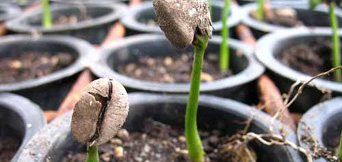
More than a morning ritual
The fruit of the coffee plant holds some of the most potent antioxidants found in nature, and new uses keep emerging, even in skincare. Traditionally, of course, it’s enjoyed in the cup, and the data on its benefits keeps growing.
Recent studies suggest that three cups a day can have real effects on cognitive function and memory for both men and women, with less cognitive decline after the age of 65.
A gentle note
Some people who have a sensitivity to coffee can experience side effects such as anxiety, sleep trouble or an upset stomach. If that’s you, we’d suggest cutting back, switching to our water-processed decaf, or stepping away for a while. Always check with your physician about any health questions.

Further reading
A little more on coffee, its history and its health effects.